
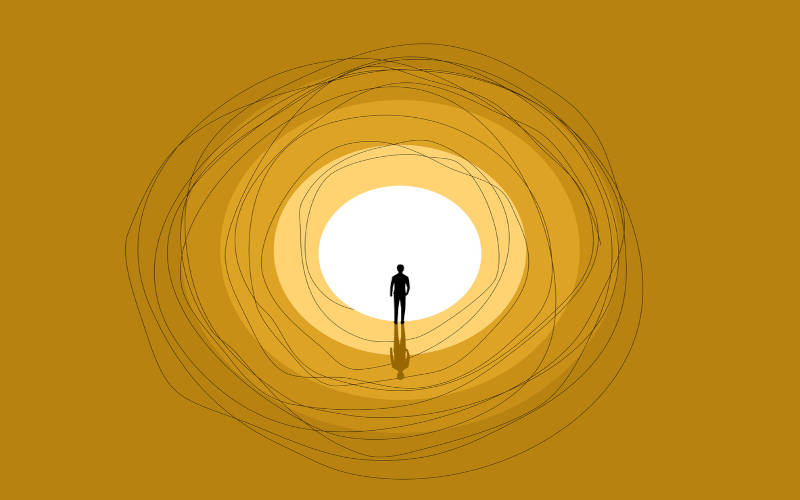
Mental health challenges affect millions of people each year, yet one of the most common responses to emotional distress is withdrawing from others. When people feel overwhelmed, depressed, anxious, or emotionally exhausted, isolation can seem like a way to protect themselves from additional stress. While spending some time alone can be healthy and restorative, prolonged isolation often has the opposite effect. Instead of providing relief, it can intensify mental health symptoms and make recovery more difficult.
Understanding the connection between isolation and mental health can help individuals recognize unhealthy patterns and seek support before symptoms worsen.
Call (978) 597-4550 Today. Our Admissions Counselors Are Here to Help You.
Why Do People Isolate When They Are Struggling With Mental Health?
Many people withdraw from social interactions when they experience mental health challenges. Depression can drain energy and motivation, making it difficult to maintain relationships or participate in social activities. Anxiety can create fears of judgment, embarrassment, or rejection that lead individuals to avoid others.
People experiencing trauma, grief, bipolar disorder, substance use disorders, or other mental health conditions may also isolate because they feel misunderstood or believe they are burdening others with their struggles.
In many cases, isolation begins as a coping mechanism. However, what starts as a temporary response can gradually become a habit that reinforces emotional distress.
How Does Isolation Affect Mental Health?
Human beings are inherently social creatures. Meaningful relationships provide emotional support, validation, encouragement, and a sense of belonging. When those connections are absent, mental health symptoms often become more severe.
Isolation can increase feelings of loneliness, sadness, hopelessness, and anxiety. Without regular social interaction, people may spend more time focused on negative thoughts, worries, and self-criticism. These thought patterns can become amplified when there is no outside perspective to challenge them.
Research consistently shows that social isolation is associated with higher rates of depression, anxiety disorders, substance misuse, and suicidal ideation. The longer isolation continues, the greater the potential impact on overall mental well-being.
Why Does Isolation Increase Feelings of Depression?
Depression often convinces people that they are alone, unwanted, or disconnected from others. Isolation can reinforce these beliefs.
When someone withdraws from family, friends, coworkers, or community activities, they lose opportunities for positive experiences and emotional support. Activities that once provided enjoyment, purpose, or connection may disappear from daily life.
As social interaction decreases, feelings of loneliness and worthlessness can grow stronger. The individual may begin to believe that nobody cares about them or that reaching out is pointless. These distorted thoughts can deepen depressive symptoms and make recovery more challenging.
Breaking the cycle of isolation is often an important step in depression treatment because reconnecting with others can provide emotional validation and support.
How Can Isolation Make Anxiety Worse?
Many individuals with anxiety avoid social situations because they fear negative outcomes. While avoidance may temporarily reduce stress, it often strengthens anxiety over time.
When people repeatedly avoid situations that make them nervous, they miss opportunities to learn that their fears may be exaggerated or manageable. The result is a cycle in which anxiety grows stronger because it is never challenged.
Isolation can also increase rumination, a process in which individuals repeatedly focus on worries and worst-case scenarios. Without interaction and distraction from others, anxious thoughts may become more intense and difficult to control.
Maintaining social connections can help individuals gain perspective, receive reassurance, and build confidence in managing anxiety-provoking situations.
What Happens to Physical Health During Prolonged Isolation?
Mental and physical health are closely connected. Extended isolation can negatively affect both.
People who isolate may experience disruptions in sleep patterns, reduced physical activity, poor nutrition, and increased stress levels. These changes can contribute to fatigue, weakened immune function, and other health concerns.
Chronic loneliness has also been linked to increased stress hormones, higher blood pressure, and greater risk of cardiovascular issues. Because physical health influences emotional well-being, these effects can further contribute to depression, anxiety, and other mental health symptoms.
Maintaining healthy social relationships can support both emotional and physical wellness.
How Does Isolation Impact Recovery From Mental Health Disorders?
Recovery from mental health conditions often depends on support, accountability, and connection. Isolation can create barriers to all three.
Support systems help individuals navigate difficult emotions, celebrate progress, and stay engaged in treatment. Friends, family members, therapists, support groups, and peers can provide encouragement during challenging periods.
When someone isolates, they may be less likely to attend therapy sessions, participate in treatment programs, or seek help when symptoms worsen. They may also lose access to practical assistance and emotional encouragement that could aid recovery.
Building a network of supportive relationships is frequently a key component of successful long-term mental health management.
Can Isolation Contribute to Substance Use Problems?
Yes. Isolation and substance use often reinforce one another.
Individuals who feel lonely or emotionally distressed may turn to alcohol or drugs as a way to cope with painful feelings. At the same time, substance use can strain relationships and increase social withdrawal.
As isolation increases, opportunities for healthy coping mechanisms and supportive interactions may decrease. This can create a cycle in which substance use and isolation fuel each other, making both mental health and addiction symptoms more severe.
Comprehensive treatment often addresses both emotional health and social connection to support lasting recovery.
What Are Some Healthy Ways to Reduce Isolation?
Reducing isolation does not necessarily mean becoming highly social overnight. Small, consistent steps can make a significant difference.
Healthy ways to reconnect include:
- Reaching out to a trusted friend or family member.
- Joining a support group.
- Attending therapy regularly.
- Participating in community activities or volunteer opportunities.
- Engaging in hobbies that involve interaction with others.
- Scheduling regular check-ins with supportive people.
- Practicing self-compassion when socializing feels difficult.
Even brief positive interactions can help improve mood and reduce feelings of loneliness.
When Should Someone Seek Professional Help for Isolation and Mental Health Symptoms?
Professional help may be beneficial when isolation becomes persistent or begins interfering with daily life. Warning signs include:
- Withdrawing from friends and family for extended periods.
- Losing interest in activities once enjoyed.
- Persistent feelings of sadness, loneliness, or hopelessness.
- Increasing anxiety about social situations.
- Using substances to cope with emotional distress.
- Difficulty functioning at work, school, or home.
- Thoughts of self-harm or suicide.
Mental health professionals can help identify underlying causes of isolation and develop strategies for rebuilding healthy connections.
How Can Treatment Help Individuals Reconnect and Heal?
Treatment provides a safe environment where individuals can explore the factors contributing to isolation while developing healthier coping skills. Therapy can address depression, anxiety, trauma, substance use disorders, and other conditions that may lead to withdrawal from others.
Many treatment programs also emphasize relationship-building, communication skills, emotional regulation, and peer support. These tools can help individuals strengthen existing relationships and create new connections that support long-term wellness.
Recovery is often easier when people realize they do not have to face their challenges alone.
Get Help With Isolation at Safe Harbor in Gloucester, Massachusetts
If you or someone you love is struggling with isolation, mental health challenges, or substance use, professional support can make a meaningful difference. Safe Harbor Behavioral Health provides compassionate, evidence-based mental health and addiction treatment services designed to help individuals reconnect with themselves and others while building a foundation for lasting recovery.
Contact Safe Harbor Behavioral Health today at (978) 597-4550 to learn more about available treatment options. Visit us at 11-15 Parker St, Suite 211, Gloucester, MA 01930, and take the first step toward improved mental health, stronger connections, and a healthier future.