
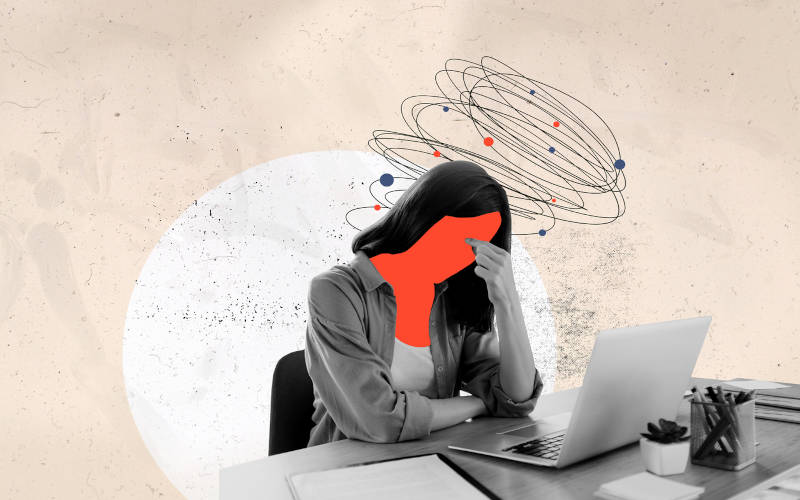
Emotional exhaustion is more than simply feeling tired after a long day. It is a state of mental, emotional, and physical depletion that develops when stress becomes chronic and overwhelming. Left unaddressed, emotional exhaustion can affect relationships, work performance, physical health, and overall quality of life. It is often one of the earliest stages of burnout and can contribute to anxiety, depression, substance misuse, and other mental health concerns.
Recognizing the warning signs early can help individuals take action before emotional exhaustion becomes a more serious problem. Understanding these signs is the first step toward restoring balance and protecting long-term well-being.
Call (978) 597-4550 Today. Our Admissions Counselors Are Here to Help You.
What Is Emotional Exhaustion?
Emotional exhaustion is a psychological state characterized by feeling emotionally drained, overwhelmed, and unable to cope with ongoing demands. It often develops after prolonged periods of stress related to work, caregiving responsibilities, financial pressures, relationship difficulties, or major life changes.
When emotional resources become depleted, it becomes increasingly difficult to manage everyday challenges. Tasks that once seemed manageable may suddenly feel overwhelming, and even small setbacks can trigger significant frustration or distress.
Why Does Emotional Exhaustion Develop?
Emotional exhaustion typically occurs when a person experiences ongoing stress without adequate recovery time. While short-term stress can be manageable, chronic stress keeps the body’s nervous system activated for extended periods.
Common contributors include:
- High-pressure work environments
- Excessive caregiving responsibilities
- Financial stress
- Relationship conflicts
- Lack of work-life balance
- Unresolved trauma
- Mental health conditions
- Substance use issues
- Chronic illness or pain
Over time, the constant demand on emotional resources can leave individuals feeling depleted and unable to recharge.
1. Do You Feel Constantly Tired Even After Rest?
One of the earliest and most common signs of emotional exhaustion is persistent fatigue. Unlike normal tiredness that improves after a good night’s sleep, emotional exhaustion creates a sense of deep weariness that rest alone may not resolve.
Individuals may wake up feeling unrefreshed despite getting adequate sleep. They often describe feeling mentally drained before the day even begins. This ongoing fatigue can affect concentration, productivity, and motivation.
When emotional energy becomes depleted, the body often struggles to maintain normal functioning, resulting in both physical and mental exhaustion.
2. Are You Becoming More Irritable Than Usual?
Increased irritability is another common warning sign. People experiencing emotional exhaustion often find themselves reacting more strongly to minor frustrations or inconveniences.
Situations that previously would not have bothered them may suddenly trigger anger, impatience, or frustration. They may feel easily annoyed by coworkers, family members, or friends and struggle to maintain emotional control.
This heightened sensitivity often occurs because emotional reserves are already depleted, leaving little capacity to manage additional stressors effectively.
3. Are You Losing Interest in Activities You Once Enjoyed?
A noticeable decline in enjoyment can signal emotional exhaustion. Hobbies, social activities, and interests that once brought satisfaction may begin to feel like obligations.
People may stop participating in activities they previously loved because they lack the energy or motivation to engage. This withdrawal can create a cycle in which reduced participation leads to fewer positive experiences, further worsening emotional depletion.
A loss of enthusiasm for meaningful activities should not be ignored, especially when it persists for weeks or months.
4. Do You Have Difficulty Concentrating or Making Decisions?
Emotional exhaustion often affects cognitive functioning. Many individuals experience difficulty focusing, remembering information, or making decisions.
Common symptoms include:
- Frequent forgetfulness
- Trouble completing tasks
- Difficulty prioritizing responsibilities
- Reduced productivity
- Mental fog
- Increased mistakes at work or school
Because emotional exhaustion consumes mental resources, the brain has fewer available resources for problem-solving and concentration.
5. Are You Feeling Detached or Emotionally Numb?
Many people experiencing emotional exhaustion report feeling disconnected from themselves and others. They may feel emotionally numb, detached, or indifferent toward situations that would normally evoke a reaction.
This emotional distancing can serve as a protective mechanism when stress becomes overwhelming. Unfortunately, it can also interfere with relationships and reduce a person’s ability to experience positive emotions.
Feeling disconnected from loved ones, work, or personal goals may indicate that emotional exhaustion is becoming more severe.
6. Have Your Sleep Patterns Changed?
Sleep disturbances frequently accompany emotional exhaustion. While some individuals struggle with insomnia, others may sleep excessively and still feel tired.
Common sleep-related symptoms include:
- Difficulty falling asleep
- Frequent nighttime awakenings
- Restless sleep
- Sleeping longer than usual
- Feeling exhausted despite sleeping
Because chronic stress affects the body’s stress-response systems, it can disrupt healthy sleep patterns and make recovery more difficult.
7. Are Physical Symptoms Starting to Appear?
Emotional exhaustion often produces physical symptoms that may initially seem unrelated to stress.
Common physical signs include:
- Frequent headaches
- Muscle tension
- Digestive problems
- Increased susceptibility to illness
- Changes in appetite
- Chronic pain flare-ups
- Low energy levels
The mind and body are closely connected. When emotional stress becomes overwhelming, physical symptoms often emerge as warning signs that something needs attention.
8. Do You Feel Overwhelmed by Everyday Responsibilities?
Tasks that once seemed routine may start to feel impossible when emotional exhaustion develops.
Individuals may become overwhelmed by:
- Household chores
- Work responsibilities
- Parenting demands
- Financial obligations
- Social commitments
Even small decisions can feel mentally taxing. Many people begin procrastinating or avoiding responsibilities because they lack the emotional capacity to manage them effectively.
This sense of overwhelm is often a strong indicator that emotional resources have become depleted.
9. Are You Withdrawing From Friends and Family?
Social withdrawal is a common but often overlooked symptom of emotional exhaustion. People may cancel plans, avoid phone calls, or isolate themselves from others.
Although spending time alone can sometimes be restorative, prolonged withdrawal may worsen emotional distress. Supportive relationships are often critical for coping with stress and preventing burnout.
If someone consistently avoids social interactions they once enjoyed, emotional exhaustion may be contributing to the behavior.
Can Emotional Exhaustion Lead to Mental Health or Substance Use Problems?
Yes. When emotional exhaustion remains untreated, it can increase the risk of more serious mental health challenges.
Potential consequences include:
- Anxiety disorders
- Depression
- Burnout
- Relationship difficulties
- Decreased work performance
- Increased substance use
Some individuals may turn to alcohol or drugs as a way to cope with emotional distress or temporarily escape overwhelming feelings. Unfortunately, substance use often worsens emotional exhaustion over time and can create additional mental health concerns.
Seeking professional support early can help prevent these complications.
What Can You Do If You Notice the Early Warning Signs?
Addressing emotional exhaustion requires both immediate stress management and long-term lifestyle adjustments.
Helpful strategies may include:
- Prioritizing adequate sleep
- Setting healthy boundaries
- Practicing stress-management techniques
- Engaging in regular physical activity
- Reconnecting with supportive relationships
- Taking breaks when needed
- Seeking professional counseling
- Addressing underlying mental health concerns
- Developing healthier coping skills
The sooner emotional exhaustion is recognized, the easier it is to reverse its effects and restore emotional well-being.
When Should You Seek Professional Help for Emotional Exhaustion?
Professional help may be beneficial if symptoms persist, worsen, or begin interfering with daily life. Warning signs that professional support may be needed include:
- Persistent sadness or anxiety
- Significant changes in sleep or appetite
- Difficulty functioning at work or home
- Social isolation
- Increased substance use
- Feelings of hopelessness
- Thoughts of self-harm
Mental health professionals can help identify underlying causes, develop effective coping strategies, and provide evidence-based treatment tailored to individual needs.
How Can Safe Harbor Behavioral Health Help?
If you or someone you love is experiencing emotional exhaustion, chronic stress, anxiety, depression, burnout, or substance use concerns, professional support is available.
Safe Harbor Behavioral Health provides compassionate, evidence-based mental health and addiction treatment services designed to help Gloucester residents regain balance, improve emotional wellness, and build healthier coping skills. Our experienced team understands the challenges of emotional exhaustion and works closely with each client to develop a personalized treatment plan.
Contact Safe Harbor Behavioral Health
Contact Safe Harbor Behavioral Health today to learn more about available treatment options.
You do not have to face emotional exhaustion alone. Help is available, and recovery is possible.