
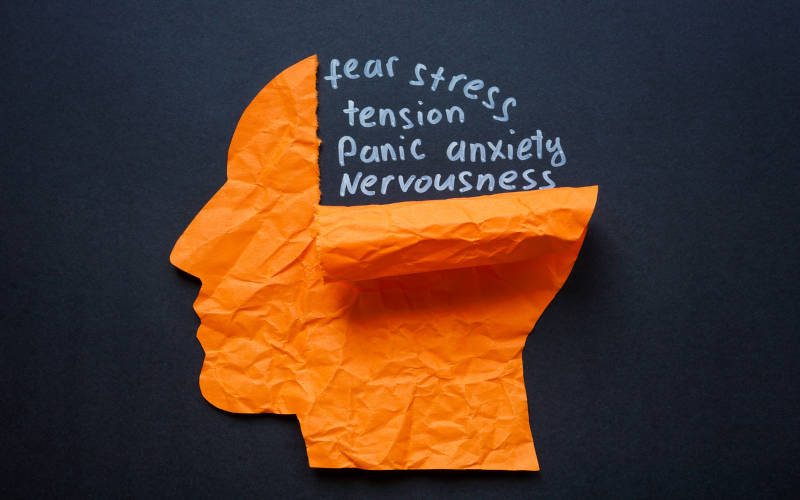
Anxiety is a normal part of life. Everyone worries from time to time about work, finances, family, or health. But when anxiety becomes overwhelming, persistent, or starts interfering with daily life, it may point to something deeper. Many people assume anxiety disorders always look obvious—panic attacks, constant nervousness, or fear. In reality, the hidden signs of an anxiety disorder can be subtle and easy to miss.
Millions of Americans live with anxiety disorders without realizing their symptoms are connected to mental health. Some people dismiss their experiences as personality traits or stress, while others learn to hide their struggles from those around them. Recognizing these hidden symptoms early can make a major difference in treatment and recovery.
In this article, we’ll explore the lesser-known warning signs of anxiety disorders, why they occur, and when it may be time to seek professional help.
Call (978) 597-4550 Today. Our Admissions Counselors Are Here to Help You.
What Is an Anxiety Disorder?
Anxiety disorders are mental health conditions that involve excessive fear, worry, or nervousness that doesn’t go away easily. Unlike occasional stress, anxiety disorders can disrupt relationships, work performance, sleep, and physical health.
Common anxiety disorders include:
- Generalized Anxiety Disorder (GAD)
- Panic Disorder
- Social Anxiety Disorder
- Obsessive-Compulsive Disorder (OCD)
- Post-Traumatic Stress Disorder (PTSD)
- Specific Phobias
According to the National Institute of Mental Health, anxiety disorders are among the most common mental health conditions in the United States. Yet many people go untreated because their symptoms don’t match the stereotypes they see online or in media.
Hidden Signs of an Anxiety Disorder
1. Constant Overthinking
One of the most overlooked signs of anxiety is chronic overthinking. People with anxiety often replay conversations, imagine worst-case scenarios, or obsess over small mistakes.
This may look like:
- Re-reading texts or emails repeatedly
- Fear of saying the wrong thing
- Difficulty making decisions
- Constantly seeking reassurance
- Spending hours analyzing situations
Overthinking can become mentally exhausting and make even simple tasks feel overwhelming.
Why It Happens
Anxiety causes the brain to stay in “threat mode.” The mind continuously searches for danger, even when no real threat exists. Over time, this creates a cycle of worry that feels impossible to shut off.
2. Physical Symptoms Without a Clear Cause
Many people don’t realize anxiety can create real physical symptoms. In fact, some individuals seek medical treatment for years before learning anxiety is the root cause.
Common physical signs include:
- Headaches
- Muscle tension
- Rapid heartbeat
- Digestive issues
- Dizziness
- Fatigue
- Sweating
- Chest tightness
Because these symptoms can mimic medical conditions, anxiety disorders often go undiagnosed.
The Mind-Body Connection
When the body remains in a constant state of stress, it releases hormones like cortisol and adrenaline. Over time, these chemicals affect sleep, digestion, immune function, and cardiovascular health.
3. Irritability and Mood Swings
People often associate anxiety with fear or nervousness, but irritability is another hidden symptom that frequently appears.
Someone struggling with anxiety may:
- Become easily frustrated
- Snap at loved ones
- Feel emotionally overwhelmed
- Have trouble relaxing
- Experience sudden mood changes
Why Anxiety Causes Irritability
An anxious mind is already overloaded. Small inconveniences can feel much larger because the nervous system is constantly on edge.
This symptom is especially common in adults who suppress their anxiety rather than openly expressing it.
4. Avoidance Behaviors
Avoidance is one of the strongest indicators of an anxiety disorder. Many people structure their lives around avoiding situations that trigger discomfort.
Examples include:
- Skipping social events
- Avoiding phone calls
- Procrastinating important tasks
- Refusing to drive or travel
- Missing work or school
At first, avoidance may provide temporary relief. However, it often strengthens anxiety over time.
The Anxiety Trap
The more someone avoids anxiety-provoking situations, the more frightening those situations become. This creates a cycle that can severely limit daily functioning and quality of life.
5. Difficulty Sleeping
Sleep problems are extremely common among individuals with anxiety disorders.
Symptoms may include:
- Trouble falling asleep
- Waking frequently during the night
- Racing thoughts at bedtime
- Nightmares
- Feeling exhausted despite sleeping
Why Anxiety Impacts Sleep
Anxiety activates the body’s fight-or-flight response, making it difficult for the brain to fully relax. Even when someone is physically tired, their mind may remain hyperactive.
Poor sleep can then worsen anxiety symptoms, creating another difficult cycle.
6. Perfectionism
Perfectionism often hides underlying anxiety. Many people believe perfectionism is simply a personality trait, but it can actually stem from intense fear of failure, criticism, or rejection.
Signs include:
- Unrealistically high standards
- Fear of making mistakes
- Constant self-criticism
- Difficulty finishing tasks
- Avoiding new opportunities due to fear
The Emotional Toll of Perfectionism
People with anxiety-driven perfectionism may appear highly successful on the outside while struggling internally with self-doubt and emotional exhaustion.
7. Feeling “On Edge” All the Time
One of the clearest hidden signs of an anxiety disorder is persistent tension or restlessness.
People often describe this feeling as:
- Always waiting for something bad to happen
- Inability to fully relax
- Feeling mentally exhausted
- Constant worry without knowing why
- Trouble focusing
Hypervigilance and Anxiety
The nervous system remains alert even in safe situations. This chronic state of tension can become emotionally and physically draining over time.
When Anxiety Becomes a Serious Problem
Everyone experiences anxiety occasionally, but professional help may be needed when symptoms:
- Last for months
- Interfere with daily life
- Affect relationships or work
- Cause physical health issues
- Lead to isolation or avoidance
- Trigger panic attacks
- Contribute to substance abuse
Untreated anxiety disorders can worsen over time and may increase the risk of depression, addiction, and other mental health conditions.
How Anxiety Disorders Are Treated
The good news is that anxiety disorders are highly treatable. With the right support, many people experience major improvements in their quality of life.
Common treatment approaches include:
Therapy
Cognitive-behavioral therapy (CBT) is one of the most effective treatments for anxiety. Therapy helps individuals identify unhealthy thought patterns and develop healthier coping skills.
Medication
In some cases, medication may help reduce symptoms and improve daily functioning.
Lifestyle Changes
Healthy habits can also support recovery, including:
- Regular exercise
- Better sleep routines
- Stress management
- Mindfulness practices
- Reduced caffeine and alcohol intake
Dual Diagnosis Treatment
Many individuals with anxiety also struggle with substance use disorders. Anxiety and addiction often occur together because people may use drugs or alcohol to cope with emotional distress.
Comprehensive treatment that addresses both mental health and addiction is essential for lasting recovery.
You Don’t Have to Struggle Alone
Anxiety disorders can feel isolating, especially when symptoms are hidden or misunderstood. But help is available, and recovery is possible.
At Safe Harbor Behavioral Health, we provide compassionate, evidence-based care for individuals struggling with anxiety, mental health challenges, and addiction. Our experienced team understands how deeply anxiety can affect every aspect of life, and we’re committed to helping individuals regain stability, confidence, and hope.
Whether you’re dealing with overwhelming stress, panic attacks, depression, or co-occurring substance use issues, our treatment programs are designed to support lasting healing.
Contact Safe Harbor Behavioral Health
Take the first step toward healing today. Compassionate support is only one phone call away.
Frequently Asked Questions
Common hidden signs include overthinking, irritability, physical symptoms, avoidance behaviors, perfectionism, sleep issues, and constant tension.
Yes. Anxiety can contribute to headaches, digestive issues, muscle tension, fatigue, chest pain, and sleep disturbances.
If anxiety interferes with daily life, relationships, work, or physical health, professional treatment may be beneficial.
Yes. Many people use substances to cope with anxiety symptoms, which can lead to co-occurring disorders.
Absolutely. Therapy, medication, lifestyle changes, and professional mental health treatment can significantly reduce symptoms.
Safe Harbor Behavioral Health in Gloucester, MA offers mental health and addiction treatment services for individuals seeking compassionate, professional support.