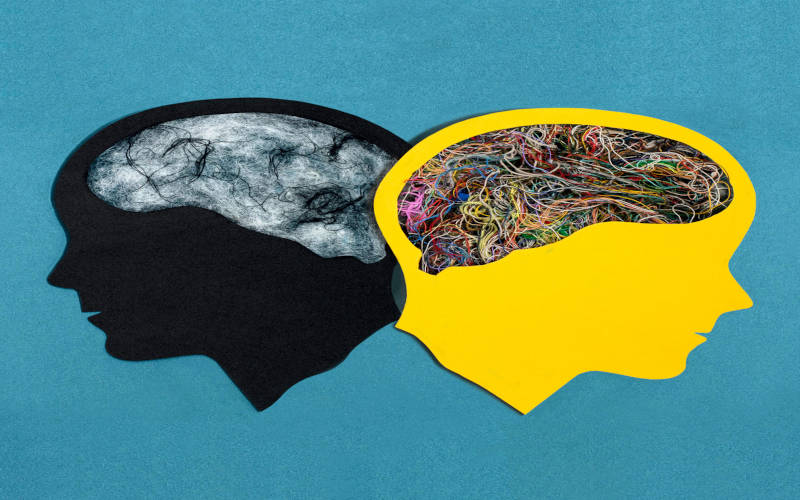
Mental health challenges and substance use disorders often go hand in hand. When someone struggles with both conditions at the same time, it is known as a dual diagnosis or co-occurring disorder. This complex condition affects millions of people every year, yet many individuals do not receive the comprehensive treatment they truly need.
For years, mental health issues and addiction were treated separately. However, research now shows that treating one condition without addressing the other can make recovery much harder. Effective healing requires an integrated approach that focuses on both mental wellness and substance use recovery together.
In this article, we’ll explore what dual diagnosis means, why it happens, common symptoms, treatment options, and how integrated care can lead to lasting recovery.
Call (978) 597-4550 Today. Our Admissions Counselors Are Here to Help You.
What Is Dual Diagnosis?
A dual diagnosis occurs when a person experiences both a mental health disorder and a substance use disorder simultaneously. These conditions interact with one another, often worsening symptoms and making treatment more complicated.
Common mental health disorders associated with dual diagnosis include:
- Depression
- Anxiety disorders
- Bipolar disorder
- Post-traumatic stress disorder (PTSD)
- Schizophrenia
- Personality disorders
At the same time, individuals may struggle with addiction to:
- Alcohol
- Opioids
- Prescription medications
- Cocaine
- Methamphetamine
- Marijuana or other substances
In many cases, one condition develops because of the other. Someone experiencing anxiety or depression may turn to drugs or alcohol to cope with emotional pain. On the other hand, long-term substance use can trigger or worsen mental health symptoms.
Why Mental Health and Addiction Often Occur Together
There is no single cause of dual diagnosis. Instead, several factors contribute to the connection between mental illness and substance use disorders.
1. Self-Medication
Many individuals use drugs or alcohol to temporarily escape symptoms of mental illness. For example:
- Alcohol may seem to reduce anxiety
- Opioids may numb emotional pain
- Stimulants may temporarily boost mood or energy
Unfortunately, substance use only provides short-term relief and usually makes mental health symptoms worse over time.
2. Brain Chemistry and Genetics
Mental illness and addiction both affect the brain’s reward and stress systems. Genetics can also increase the risk of developing both conditions.
If a family history of addiction or mental illness exists, a person may be more vulnerable to dual diagnosis.
3. Trauma and Stress
Traumatic experiences such as abuse, neglect, violence, or loss can contribute to both substance use and mental health disorders. Many people with PTSD or unresolved trauma turn to substances to cope with overwhelming emotions.
4. Environmental Factors
Stressful environments, peer pressure, unstable housing, or chronic stress can increase the likelihood of developing co-occurring disorders.
Common Signs of Dual Diagnosis
Recognizing dual diagnosis can be difficult because symptoms often overlap. Someone may not realize their mental health struggles are connected to substance use.
Common signs include:
Emotional Symptoms
- Persistent sadness or hopelessness
- Mood swings
- Irritability
- Excessive fear or worry
- Emotional numbness
Behavioral Symptoms
- Increased isolation
- Risky behavior
- Difficulty maintaining responsibilities
- Secretive behavior
- Sudden changes in social circles
Physical Symptoms
- Fatigue
- Changes in sleep patterns
- Appetite changes
- Poor hygiene
- Withdrawal symptoms
Substance Use Signs
- Needing larger amounts of substances
- Failed attempts to stop using
- Cravings
- Continued use despite consequences
When both conditions exist together, symptoms may intensify and create a cycle that becomes increasingly difficult to break without professional help.
Why Treating Both Conditions Together Matters
One of the biggest mistakes in recovery care is treating addiction and mental illness separately. Integrated treatment is essential because each condition influences the other.
For example:
- Untreated anxiety may trigger relapse
- Continued substance use may interfere with psychiatric medications
- Depression can reduce motivation for addiction recovery
Without addressing both conditions together, long-term recovery becomes far more challenging.
Benefits of Integrated Dual Diagnosis Treatment
- Better symptom management
- Lower relapse rates
- Improved emotional stability
- Stronger coping skills
- Healthier relationships
- Increased quality of life
Research consistently shows that integrated treatment leads to better outcomes than treating each condition independently.
Effective Treatment Approaches for Dual Diagnosis
Dual diagnosis treatment involves a personalized and comprehensive plan tailored to each individual’s needs.
1. Medical Detox
For individuals physically dependent on substances, detox may be the first step. Medical supervision helps manage withdrawal symptoms safely and comfortably.
Detox alone is not treatment, but it creates a stable foundation for ongoing recovery.
2. Individual Therapy
Therapy helps individuals understand the connection between mental health and substance use.
Common evidence-based therapies include:
Cognitive Behavioral Therapy (CBT)
CBT helps identify negative thought patterns and develop healthier coping mechanisms.
Dialectical Behavior Therapy (DBT)
DBT focuses on emotional regulation, distress tolerance, and interpersonal skills.
Trauma-Informed Therapy
This approach addresses underlying trauma that may contribute to addiction and mental health symptoms.
3. Medication Management
In some cases, medications can help stabilize mental health symptoms while supporting recovery.
Examples include:
- Antidepressants
- Mood stabilizers
- Anti-anxiety medications
- Medication-assisted treatment (MAT) for addiction
A qualified treatment team carefully monitors medications to ensure safe and effective use.
4. Group Therapy and Peer Support
Support groups provide encouragement, accountability, and connection.
Individuals benefit from:
- Sharing experiences
- Learning coping strategies
- Building healthy relationships
- Reducing feelings of isolation
Group therapy reminds individuals that they are not alone in their struggles.
5. Holistic Therapies
Many treatment centers incorporate holistic approaches to support overall wellness.
These may include:
- Mindfulness and meditation
- Yoga
- Nutrition counseling
- Exercise programs
- Art or music therapy
Holistic care helps individuals heal emotionally, physically, and mentally.
The Importance of Long-Term Recovery Support
Recovery from dual diagnosis is not a one-time event. It is an ongoing journey that requires continued support and commitment.
After formal treatment, many individuals benefit from:
- Outpatient therapy
- Sober living environments
- Support groups
- Relapse prevention planning
- Continued psychiatric care
Strong support systems greatly improve long-term success.
Breaking the Stigma Around Dual Diagnosis
Unfortunately, stigma still prevents many people from seeking help. Some individuals fear judgment for struggling with addiction or mental illness.
It is important to understand that dual diagnosis is a medical condition — not a personal failure.
Seeking treatment is a sign of strength, courage, and hope. With proper care, people can recover and build healthy, meaningful lives.
How Families Can Support a Loved One
Families play a major role in recovery. Supporting a loved one with dual diagnosis involves compassion, education, and healthy boundaries.
Helpful ways families can support recovery include:
- Encouraging professional treatment
- Learning about co-occurring disorders
- Avoiding enabling behaviors
- Participating in family therapy
- Practicing patience and understanding
Recovery often improves when families are actively involved in the healing process.
Conclusion
Dual diagnosis is a serious but highly treatable condition. When mental health disorders and substance use disorders occur together, recovery requires compassionate, integrated care that addresses the whole person.
With proper treatment, individuals can regain stability, improve their mental health, overcome addiction, and build fulfilling lives. Recovery is possible, and no one has to face it alone.
If you or someone you love is struggling with mental health challenges and substance use, professional support can make all the difference.
Get Help Today at Safe Harbor Behavioral Health
At Safe Harbor Behavioral Health, we specialize in compassionate, evidence-based treatment for individuals facing mental health and addiction challenges. Our experienced team provides personalized care designed to support lasting recovery and emotional wellness.
Contact Safe Harbor Behavioral Health
Frequently Asked Questions About Dual Diagnosis
Dual diagnosis refers to the presence of both a mental health disorder and a substance use disorder occurring together.
Yes. Many people use substances to cope with symptoms of anxiety, depression, trauma, or other mental health conditions.
Absolutely. Integrated treatment that addresses both conditions simultaneously can lead to successful long-term recovery.
Cognitive-behavioral therapy (CBT), DBT, trauma-informed therapy, medication management, and group therapy are commonly effective approaches.
Treating only addiction or only mental health symptoms can increase the risk of relapse and incomplete recovery.
Treatment length varies depending on individual needs, severity of symptoms, and ongoing recovery goals.