
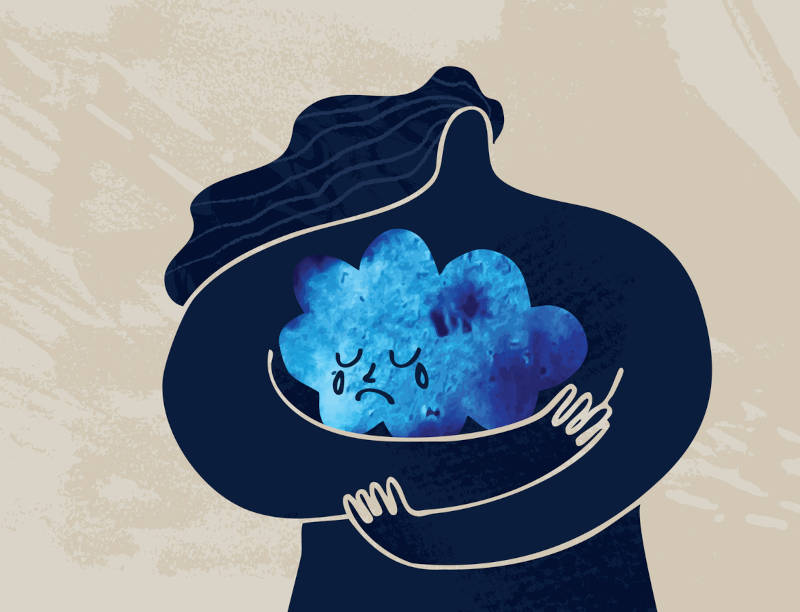
Bipolar disorder and depression can share many of the same symptoms, which can make it difficult to tell them apart. Both conditions can involve persistent sadness, low energy, changes in sleep, difficulty concentrating, and a loss of interest in activities. However, they are different mental health conditions that require different approaches to diagnosis and treatment.
Understanding the differences between bipolar disorder and depression can help people recognize when their symptoms may require professional attention. While depression primarily involves periods of low mood and related symptoms, bipolar disorder involves significant mood episodes that can include both depression and periods of mania or hypomania.
Call (978) 597-4550 Today. Our Admissions Counselors Are Here to Help You.
What is bipolar disorder?
Bipolar disorder is a mental health condition characterized by significant changes in mood, energy, activity levels, and functioning. These changes generally occur through distinct mood episodes.
A person with bipolar disorder may experience depressive episodes that resemble major depression. At other times, they may experience mania or hypomania. The specific pattern and severity of symptoms can vary depending on the type of bipolar disorder.
Mania involves an unusually elevated, expansive, or irritable mood accompanied by increased energy and activity. Hypomania involves similar symptoms but is generally less severe than mania.
Bipolar disorder is not simply a condition in which someone’s mood changes frequently throughout the day. Instead, mood episodes tend to represent noticeable changes from a person’s typical functioning and can last for days or longer.
What is depression?
Depression is a mental health condition that can cause persistent feelings of sadness, emptiness, or hopelessness along with changes in behavior, thinking, and physical functioning. Major depressive disorder is one of the most common forms of depression.
Symptoms may include losing interest in activities, feeling tired or slowed down, having difficulty concentrating, experiencing changes in appetite or sleep, feeling worthless or guilty, and withdrawing from others.
Depression can affect work, school, relationships, and everyday responsibilities. Symptoms may occur for an extended period rather than simply reflecting a temporary period of sadness.
Unlike bipolar disorder, major depressive disorder does not include episodes of mania or hypomania as part of the condition.
How are bipolar depression and major depression similar?
Bipolar depression and major depression can look very similar during a depressive episode.
Both may involve:
- Persistent sadness or emptiness
- Loss of interest or pleasure
- Fatigue and low energy
- Difficulty concentrating
- Changes in sleep
- Changes in appetite or weight
- Feelings of guilt or worthlessness
- Social withdrawal
- Difficulty keeping up with everyday responsibilities
Because the symptoms can overlap substantially, identifying whether someone has bipolar disorder or major depressive disorder may require looking beyond the person’s current depressive symptoms.
A mental health professional may ask about previous periods of unusually high energy, decreased need for sleep, impulsive behavior, racing thoughts, or other changes in mood and behavior.
What is the biggest difference between bipolar disorder and depression?
The primary difference is that bipolar disorder includes episodes of mania or hypomania, while major depressive disorder does not.
Someone experiencing major depression may have prolonged periods of low mood and related symptoms without experiencing mania or hypomania.
Someone with bipolar disorder can experience depressive episodes but also has a history of mania or hypomania, depending on the specific type of bipolar disorder.
This distinction is important because treatment approaches can differ. A person experiencing depression should receive an evaluation that considers their full mental health history rather than focusing exclusively on their current symptoms.
What do mania and hypomania look like?
Mania and hypomania can involve noticeable increases in energy, activity, or emotional intensity.
Symptoms may include:
- Feeling unusually energetic or restless
- Sleeping much less without feeling tired
- Talking more than usual
- Racing thoughts
- Feeling unusually confident or powerful
- Becoming more distractible
- Taking on many projects or activities
- Engaging in impulsive or risky behaviors
- Spending significantly more money than usual
- Making unusually ambitious plans
Mania is more severe than hypomania and can cause substantial impairment in functioning. In some cases, mania can involve psychotic symptoms or require hospitalization.
Hypomania can be less disruptive, and a person may initially view the increased energy or productivity as positive. However, it can still represent a significant change in functioning and can be an important diagnostic clue.
Can someone with bipolar disorder experience depression without knowing they are bipolar?
Yes. Some people first seek help because of depressive symptoms and may not recognize previous periods of mania or hypomania as symptoms of bipolar disorder.
For example, someone might remember a period when they needed very little sleep, felt unusually productive, talked rapidly, started numerous projects, or made impulsive decisions but viewed that period as simply being energetic or motivated.
This is one reason a comprehensive mental health evaluation is important. Clinicians may ask about mood patterns over time, family history, changes in sleep and energy, previous treatment, and periods of unusual behavior.
Can other mental health conditions look like bipolar disorder or depression?
Yes. Several mental health conditions can involve changes in mood, energy, behavior, or emotional regulation.
For example, anxiety can contribute to restlessness, difficulty concentrating, and sleep problems. ADHD can also involve impulsivity, distractibility, and difficulties with regulating attention and activity levels. Other conditions, including borderline personality disorder (BPD), trauma-related conditions, and substance-related problems, can affect mood and behavior as well.
Because symptoms can overlap, self-diagnosis can be difficult. A qualified mental health professional can consider the broader pattern of symptoms and determine whether further assessment or treatment is appropriate.
How is bipolar disorder diagnosed differently from depression?
Diagnosis for both conditions involves a clinical evaluation, but determining whether someone has bipolar disorder requires particular attention to the person’s history of mood episodes.
A clinician may ask about:
- Current and past symptoms
- Changes in sleep and energy
- Periods of unusually elevated or irritable mood
- Impulsive or risky behaviors
- Family mental health history
- Substance use
- Previous mental health treatment
- The duration and severity of symptoms
- How symptoms affect daily functioning
There is no single blood test or scan that can diagnose bipolar disorder or major depression. Instead, diagnosis is based primarily on clinical assessment and established diagnostic criteria.
Why is getting the right diagnosis important?
Receiving an accurate diagnosis can help ensure that treatment addresses the condition actually affecting a person’s mental health.
For someone experiencing depression, treatment may involve psychotherapy, medication, lifestyle changes, or a combination of approaches. Treatment for bipolar disorder may involve mood-stabilizing medication, psychotherapy, education about mood episodes, and strategies for maintaining stability.
Treatment plans should be individualized based on a person’s symptoms, history, goals, and clinical needs. A person should not start, stop, or change psychiatric medication without discussing those changes with a qualified healthcare professional.
When should someone seek help for mood symptoms?
Persistent changes in mood, energy, sleep, motivation, or behavior can be a reason to speak with a mental health professional, particularly when symptoms interfere with relationships, work, school, or daily responsibilities.
Professional support can also be important when depressive symptoms are severe, mood changes are difficult to control, or periods of unusually elevated energy lead to impulsive or risky behavior.
If someone is experiencing thoughts of suicide or believes they may be in immediate danger, they should seek emergency help immediately by calling 911 or going to the nearest emergency department. In the United States, they can also call or text 988 to reach the Suicide & Crisis Lifeline.
How can Safe Harbor Behavioral Health help with bipolar disorder and depression?
Bipolar disorder and depression can affect many areas of life, but professional treatment can provide support for understanding symptoms and developing healthier ways to manage them. The first step is often a comprehensive evaluation to better understand what someone is experiencing and what level of care may be appropriate.
Safe Harbor Behavioral Health is a mental health and addiction treatment facility located at 11-15 Parker St Suite 211, Gloucester, MA 01930. Our team provides mental health treatment designed to help individuals address conditions such as bipolar disorder and depression in a supportive treatment environment.
If you or someone you care about is struggling with persistent depression, significant mood changes, or symptoms that may be affecting everyday life, reaching out for professional support can be an important next step. Contact Safe Harbor Behavioral Health at (978) 597-4550 to learn more about available treatment options and how our team can help.